mobile background

KELOID CLINIC

We design the perfect lifting combination tailored to your skin.

KELOID CLINIC

We design the perfect lifting combination tailored to your skin.

 Keloid Clinic on demand

" Keloids Are No Longer an Untreatable Condition. "
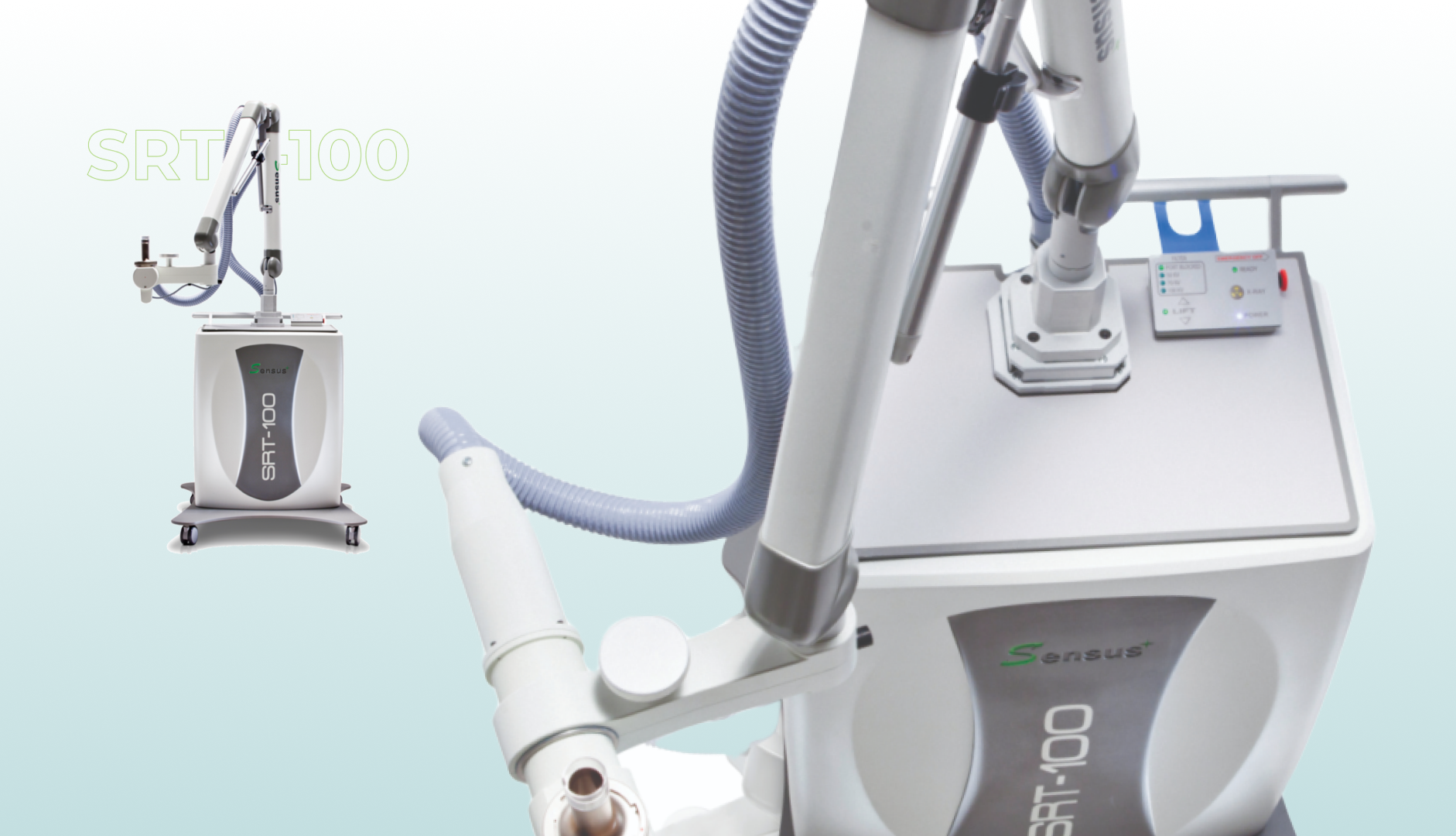
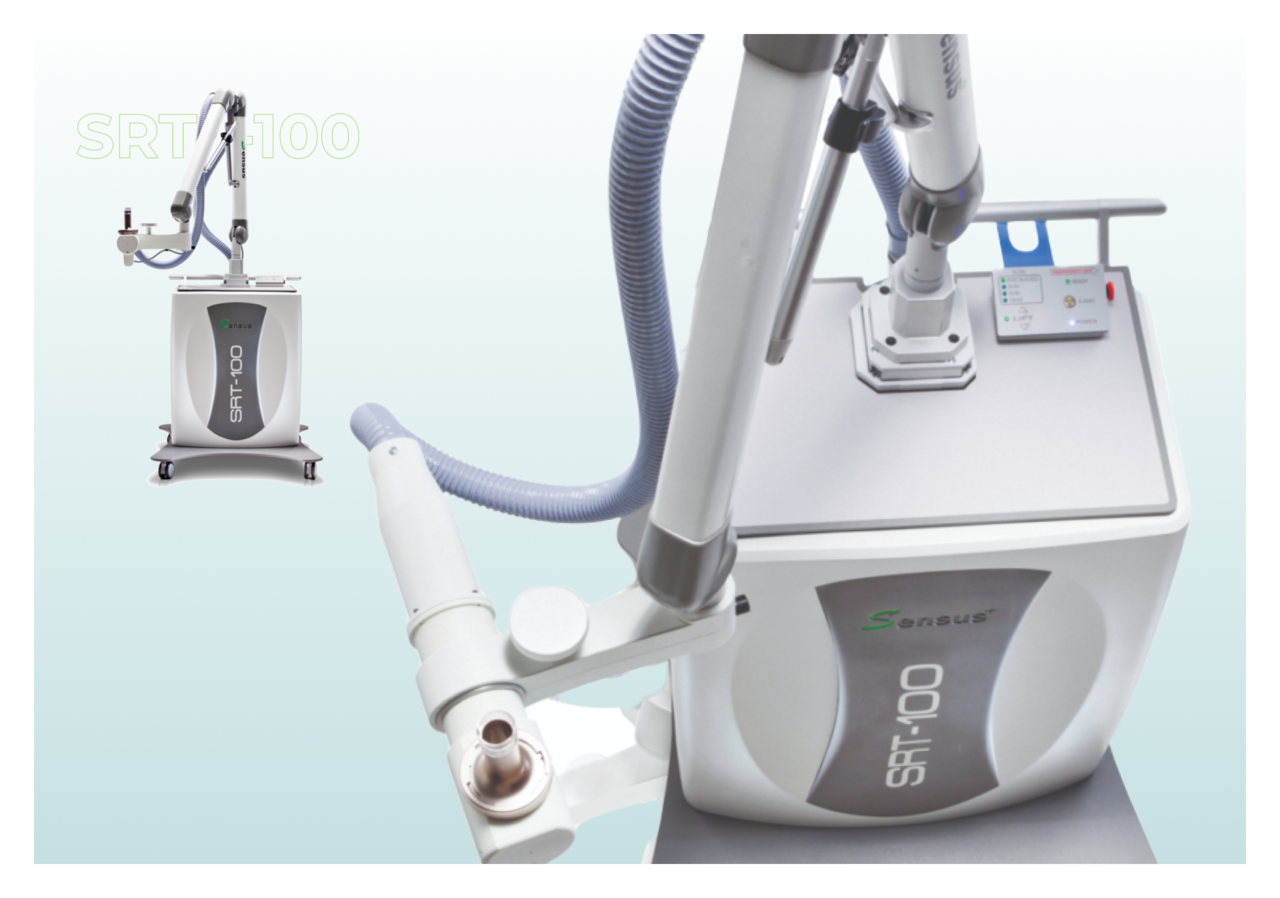
At dod dermatology cheongdam, we are one of the few clinics in Korea equipped with the Sensus superficial X-ray device, providing advanced keloid treatment. By combining superficial X-ray therapy, cryotherapy, and triamcinolone injections, we effectively reduce and remove keloid scars.
What Are Keloids?
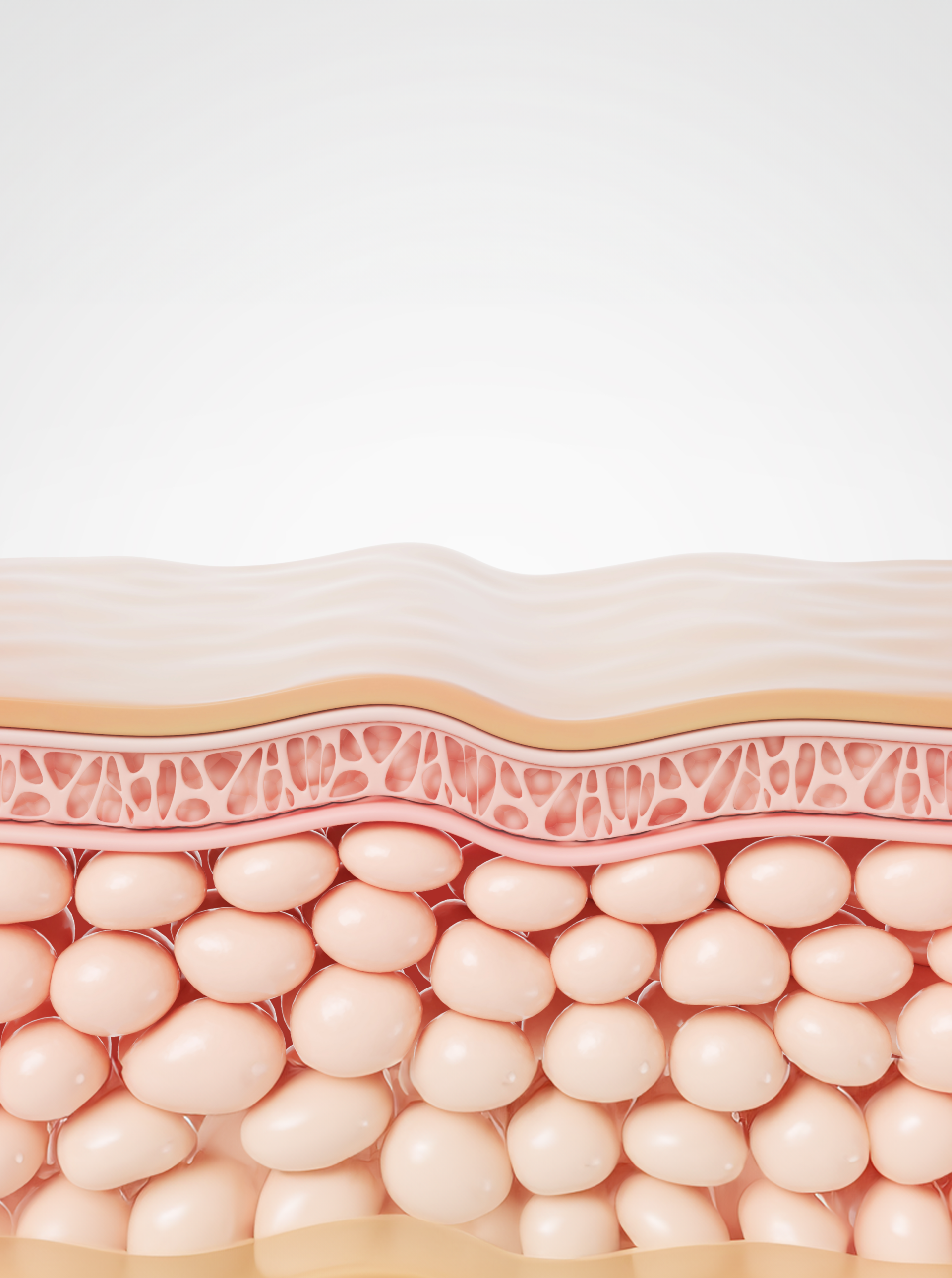
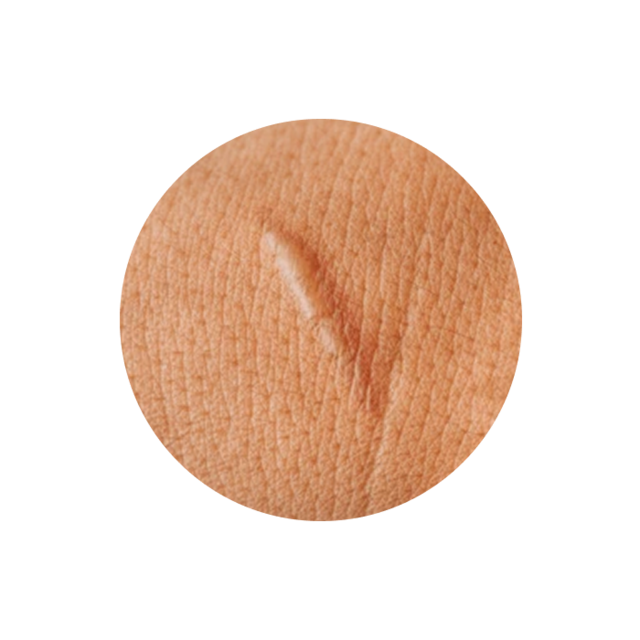
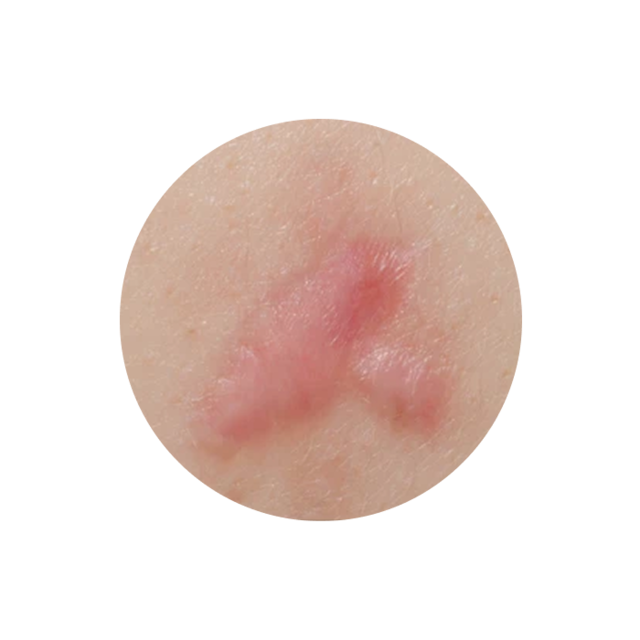
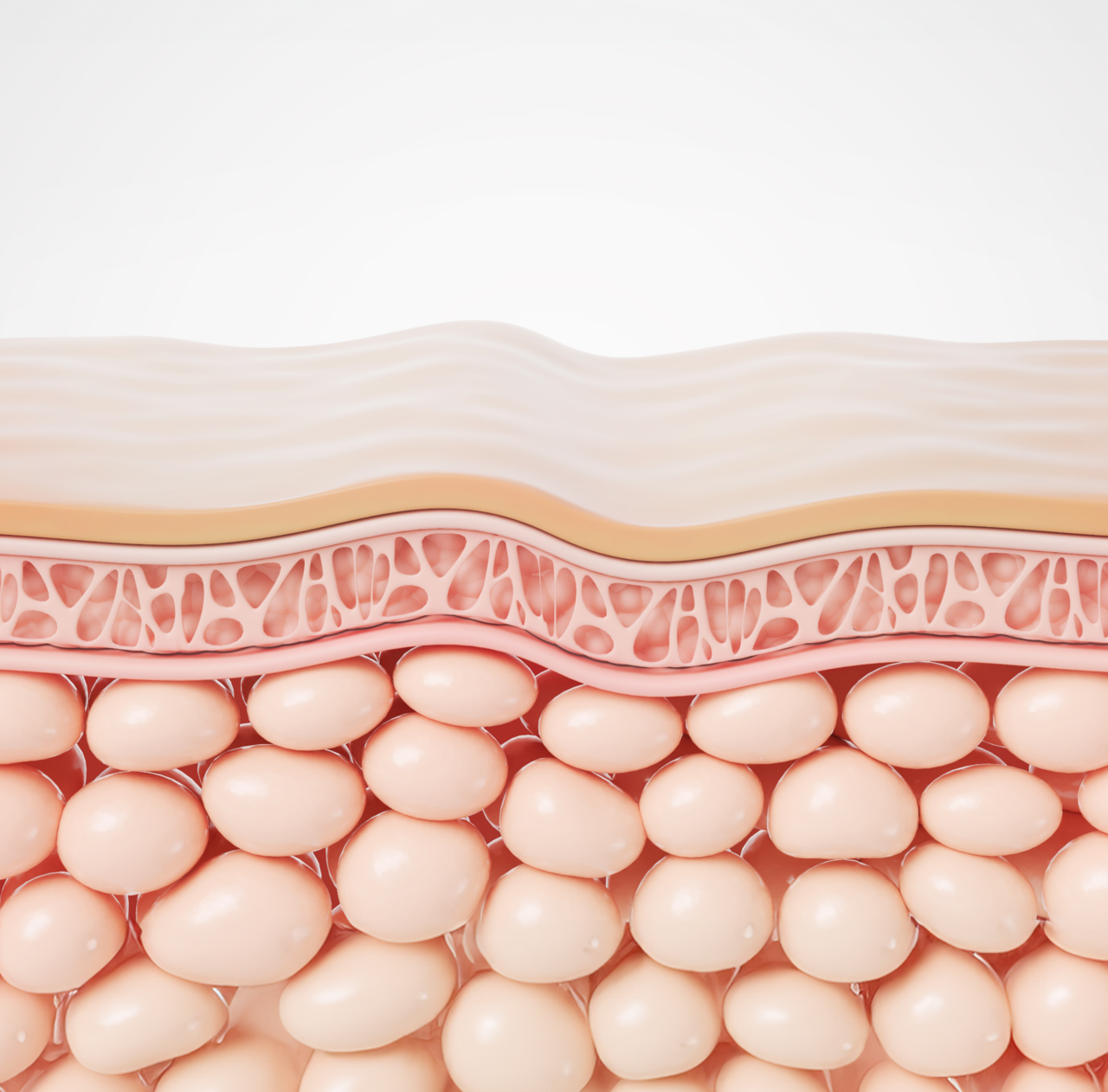
Keloids are overgrown scars that form when tissue grows excessively beyond the boundaries of the original wound during the healing process. They often appear raised, thickened, and sometimes painful or itchy.

Treatment Process at dod

Surgery + Superficial X-ray Therapy
With the Sensus device, superficial X-ray therapy is applied post-surgery to suppress abnormal scar tissue growth and prevent recurrence.

Cryotherapy
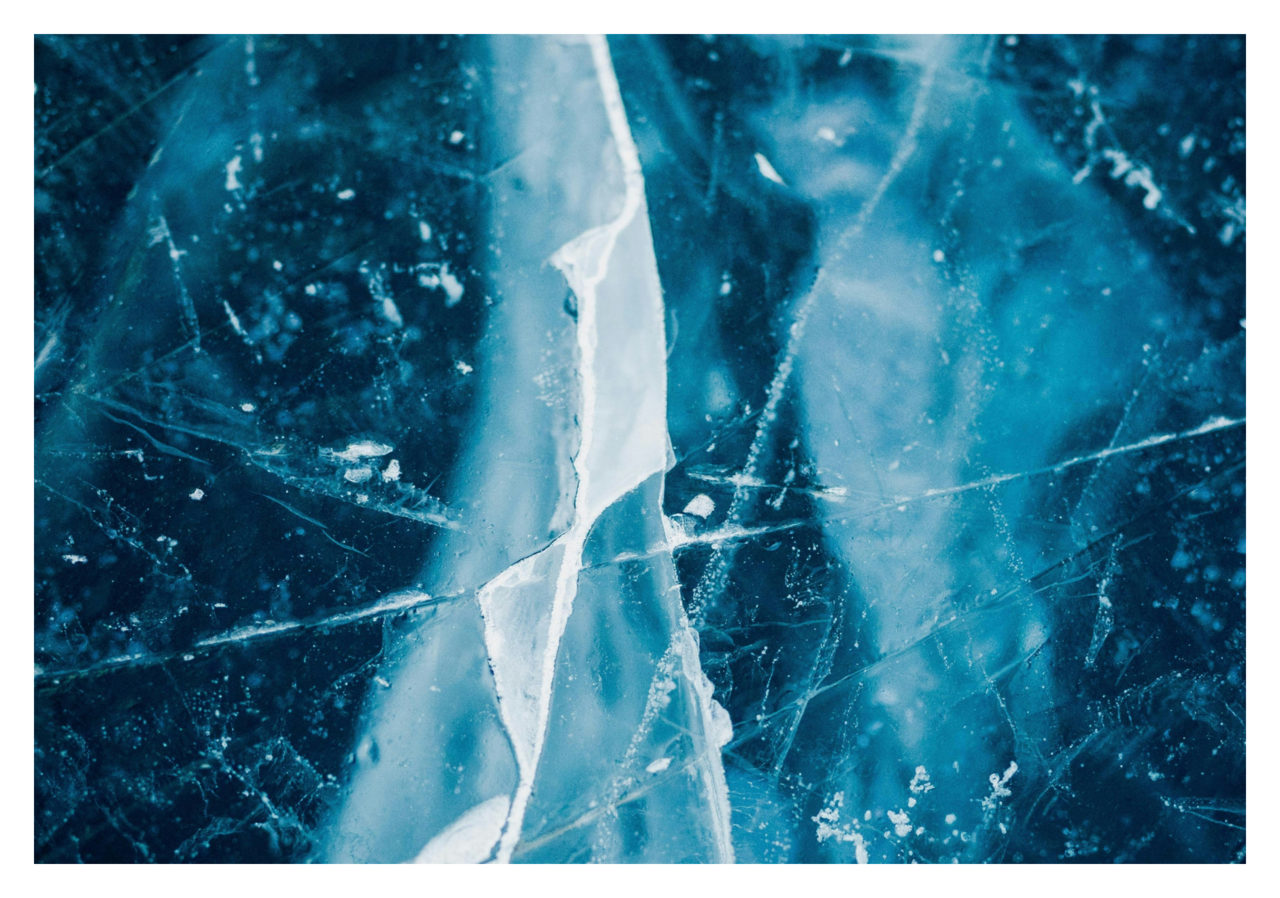
Liquid nitrogen at –195°C is sprayed directly onto the lesion with a specialized applicator. Minimizes pain while delivering effective results.

Triamcinolone Injection
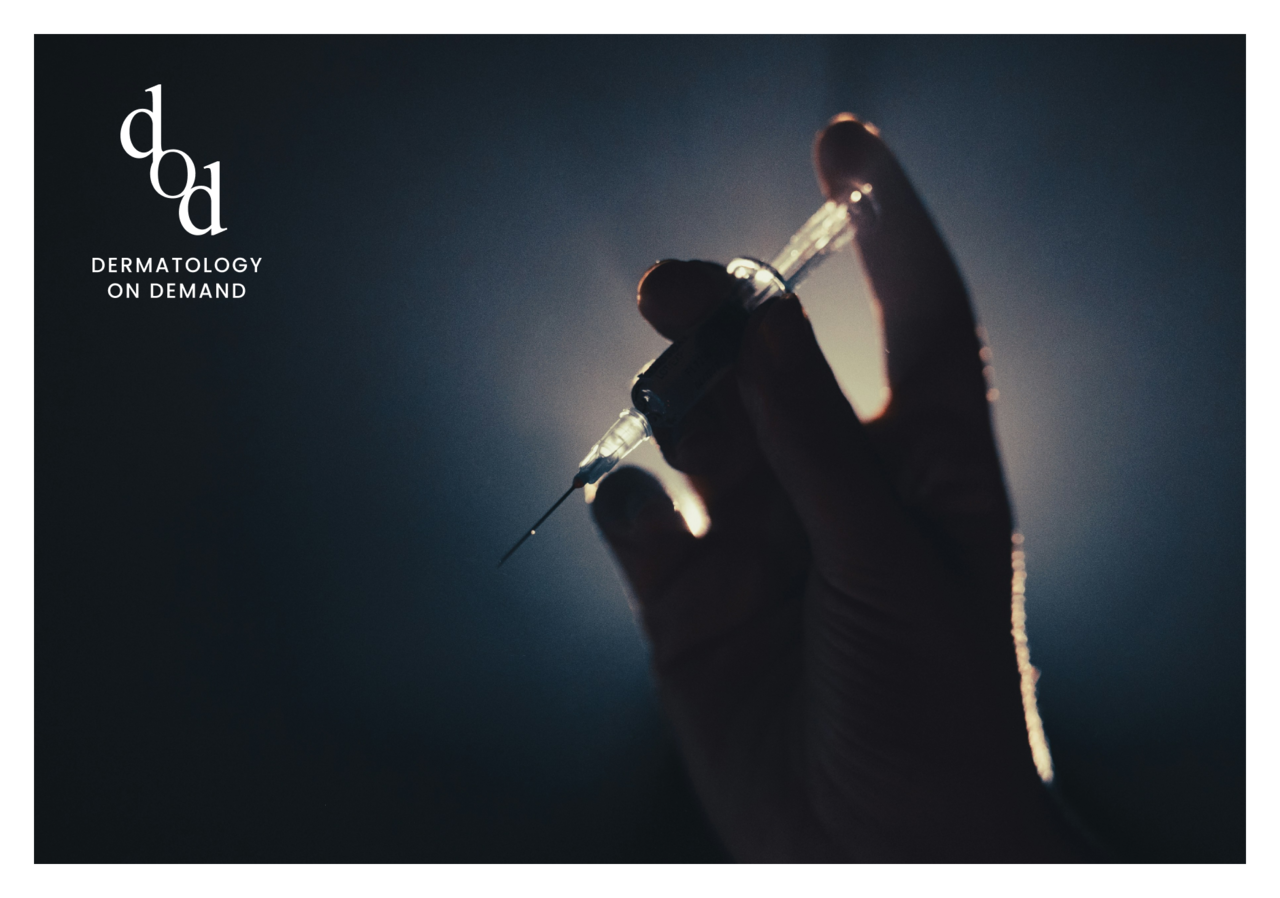
Injected directly into the keloid to flatten raised scars, lighten discoloration, and reduce pain and itching.

Synergy Laser
Shrinks or removes dilated vessels and stimulates new vessel formation. Customized laser settings adapt to the scar’s shape and depth, enhancing collagen regeneration and improving elasticity.

KELOID

Q & A

Q1. Can keloid scars be completely cured?
Keloids are a chronic scar condition influenced by individual genetic and biological factors. While complete and permanent elimination cannot always be guaranteed, appropriate treatment can often help improve the appearance of the scar and reduce associated symptoms such as: • Itching • Tenderness or discomfort • Redness • Excessive scar elevation The primary goals of treatment are to flatten the scar, improve symptoms, and reduce the likelihood of recurrence.
Q2. What treatment options are available for keloids at dod dermatology cheongdam?
Treatment plans are individualized based on the size, thickness, location, and characteristics of each keloid. Common treatment approaches may include: • Intralesional corticosteroid injections • Vascular laser treatments for redness • Cryotherapy (freezing therapy) • Combination treatment protocols Because keloids can be challenging to manage, a multimodal approach is often recommended to optimize outcomes.
Q3. Are keloid injections painful?
Some discomfort may occur because keloid tissue is typically dense and firm, which can create pressure during injection. At dod dermatology cheongdam, various measures may be utilized to improve patient comfort, including: • Topical anesthetic preparations • Cooling techniques • Fine-gauge needles • Customized treatment protocols The level of discomfort varies depending on the size and location of the keloid as well as individual pain sensitivity.
Q4. Can steroid injections cause skin depression or discoloration?
Intralesional corticosteroid injections are widely used for keloid treatment and are generally considered effective when performed appropriately. Potential side effects may include: • Skin thinning • Localized depression (atrophy) • Changes in pigmentation • Small visible blood vessels Careful treatment planning, appropriate dosing, and precise injection technique are important for minimizing these risks. For this reason, treatment should be performed by experienced physicians familiar with scar management.
Q5. How can I reduce the risk of keloid recurrence after treatment?
Keloids have a tendency to recur, which is why ongoing scar management is often important even after the scar has improved. Depending on the individual case, recommendations may include: • Silicone gel or silicone sheet therapy • Pressure therapy when appropriate • Avoiding unnecessary friction or tension on the treated area • Regular follow-up evaluations • Maintenance treatment when clinically indicated Long-term scar management and early intervention at signs of recurrence can help improve overall treatment outcomes.
FAQ 이미지

Post-Treatment Care

Please review the following before and after treatment at dod dermatology cheongdam.


1. If undergoing sedation, avoid food and drink (including water) for at least 4 hours prior.


2. Inform your physician about any underlying conditions or medications before treatment.


3. Avoid smoking, excessive alcohol, and sauna use after the procedure.


4. Mild swelling or discomfort may occur; if severe, please contact the clinic immediately.


5. Avoid peeling treatments or scrubs for about one week post-treatment.


6. Use moisturizers and sunscreen regularly after the procedure.

Keloid Clinic on demand

" Keloids Are No Longer an Untreatable Condition. " 
At dod dermatology cheongdam, we are one of the few clinics in Korea equipped with the Sensus superficial X-ray device, providing advanced keloid treatment. By combining superficial X-ray therapy, cryotherapy, and triamcinolone injections, we effectively reduce and remove keloid scars.
What Are Keloids?  Keloids are overgrown scars that form when tissue grows excessively beyond the boundaries of the original wound during the healing process. They often appear raised, thickened, and sometimes painful or itchy.
Keloid
Keloid

Treatment Process at dod

Surgery + Superficial X-ray Therapy
With the Sensus device, superficial X-ray therapy is applied post-surgery to suppress abnormal scar tissue growth and prevent recurrence.

Cryotherapy
Liquid nitrogen at –195°C is sprayed directly onto the lesion with a specialized applicator. Minimizes pain while delivering effective results.

Triamcinolone Injection
Injected directly into the keloid to flatten raised scars, lighten discoloration, and reduce pain and itching.

Synergy Laser
Shrinks or removes dilated vessels and stimulates new vessel formation. Customized laser settings adapt to the scar’s shape and depth, enhancing collagen regeneration and improving elasticity.

Keloid Treatment Q&A

올타이트 FAQ
FAQ 이미지
Q1. Can keloid scars be completely cured?
A. Keloids are a chronic scar condition influenced by individual genetic and biological factors. While complete and permanent elimination cannot always be guaranteed, appropriate treatment can often help improve the appearance of the scar and reduce associated symptoms such as: • Itching • Tenderness or discomfort • Redness • Excessive scar elevation The primary goals of treatment are to flatten the scar, improve symptoms, and reduce the likelihood of recurrence.
Q2. What treatment options are available for keloids at dod dermatology cheongdam?
A. Treatment plans are individualized based on the size, thickness, location, and characteristics of each keloid. Common treatment approaches may include: • Intralesional corticosteroid injections • Vascular laser treatments for redness • Cryotherapy (freezing therapy) • Combination treatment protocols Because keloids can be challenging to manage, a multimodal approach is often recommended to optimize outcomes. ________________________________________
Q3. Are keloid injections painful?
A. Some discomfort may occur because keloid tissue is typically dense and firm, which can create pressure during injection. At dod dermatology cheongdam, various measures may be utilized to improve patient comfort, including: • Topical anesthetic preparations • Cooling techniques • Fine-gauge needles • Customized treatment protocols The level of discomfort varies depending on the size and location of the keloid as well as individual pain sensitivity.
Q4. Can steroid injections cause skin depression or discoloration?
A. Intralesional corticosteroid injections are widely used for keloid treatment and are generally considered effective when performed appropriately. Potential side effects may include: • Skin thinning • Localized depression (atrophy) • Changes in pigmentation • Small visible blood vessels Careful treatment planning, appropriate dosing, and precise injection technique are important for minimizing these risks. For this reason, treatment should be performed by experienced physicians familiar with scar management.
Q5. How can I reduce the risk of keloid recurrence after treatment?
A. Keloids have a tendency to recur, which is why ongoing scar management is often important even after the scar has improved. Depending on the individual case, recommendations may include: • Silicone gel or silicone sheet therapy • Pressure therapy when appropriate • Avoiding unnecessary friction or tension on the treated area • Regular follow-up evaluations • Maintenance treatment when clinically indicated Long-term scar management and early intervention at signs of recurrence can help improve overall treatment outcomes.

Post-Treatment Care

Please review the following before and after treatment at dod dermatology cheongdam


 1   If undergoing sedation, avoid food and drink (including water) for at least 4 hours prior.


 2  Inform your physician about any underlying conditions or medications before treatment.


 3   Avoid smoking, excessive alcohol, and sauna use after the procedure.


 4   Mild swelling or discomfort may occur; if severe, please contact the clinic immediately.


 5   Avoid peeling treatments or scrubs for about one week post-treatment.


 6   Use moisturizers and sunscreen regularly after the procedure.


Clinic Hours

Monday – Thursday

10:00 AM – 7:00 PM

(Lunch Break: 1:00 PM – 2:00 PM)


 Friday

10:00 AM – 9:00 PM

(Lunch Break: 1:00 PM – 2:00 PM)


Saturday 

10:00 AM – 4:00 PM


Phone

+82-2-6203-6263

Parking Information

Address

423 Dosan-daero, Gangnam-gu, Seoul (Cheongdam-dong 91-11)

Private parking available inside and outside the building

Valet service available (KRW 5,000)

Clinic Hours

Mon – Thursday     10:00 AM – 7:00 PM (Lunch Break: 1:00 PM – 2:00 PM)
Friday            10:00 AM – 9:00 PM (Lunch Break: 1:00 PM – 2:00 PM)
Saturday          
10:00 AM – 4:00 PM

Contact               02 . 6203 . 6263

Parking Information

Address       423 Dosan-daero, Gangnam-gu, Seoul (Cheongdam-dong 91-11)
              Private parking available inside and outside the building
Valet service available (KRW 5,000)
인스타그램 왓츠앱 구글맵 유튜브
유튜브 Youtube 구글 Map 왓츠앱 WhatsApp 인스타그램 Instagram 전화상담 Call
scroll to top icon